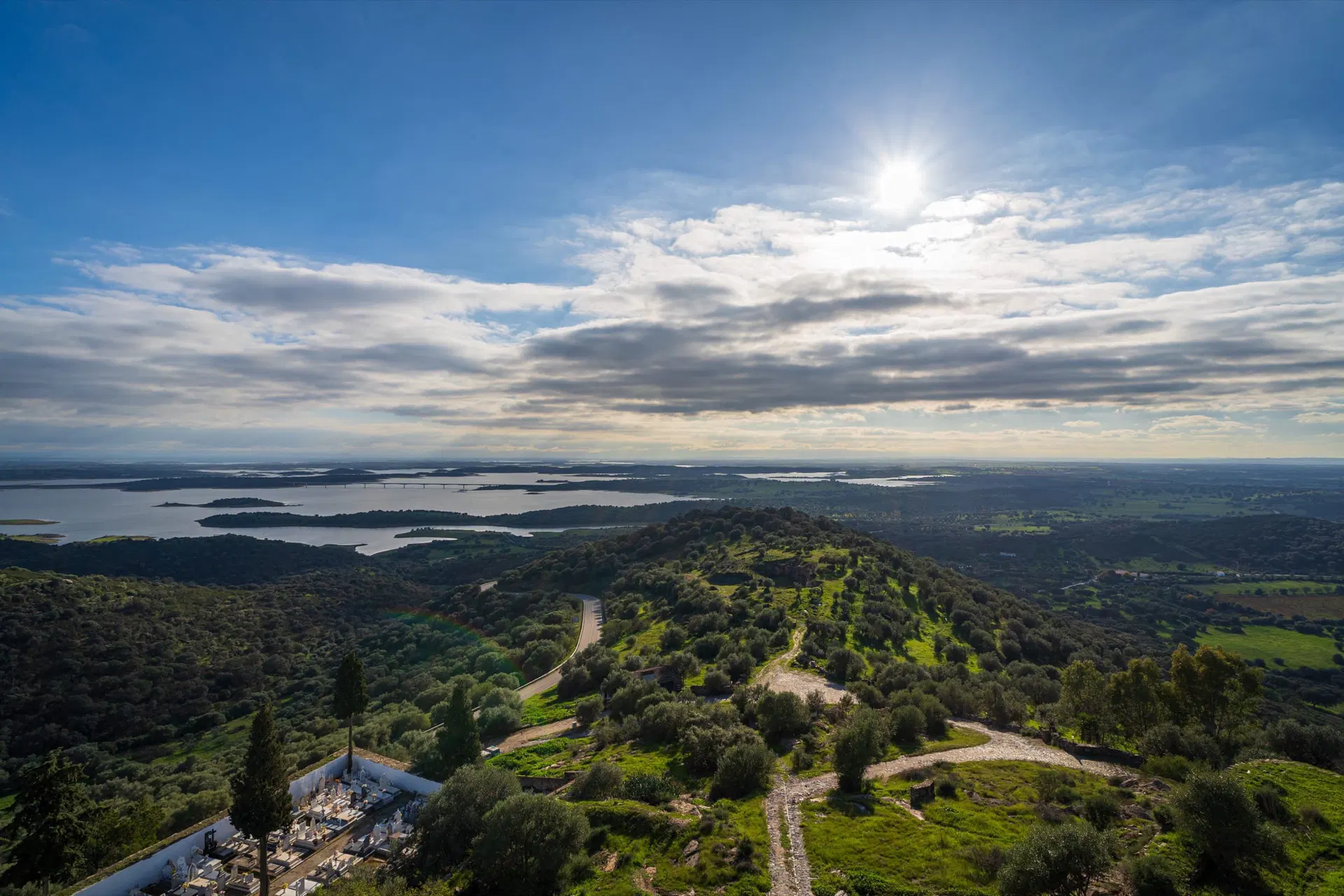
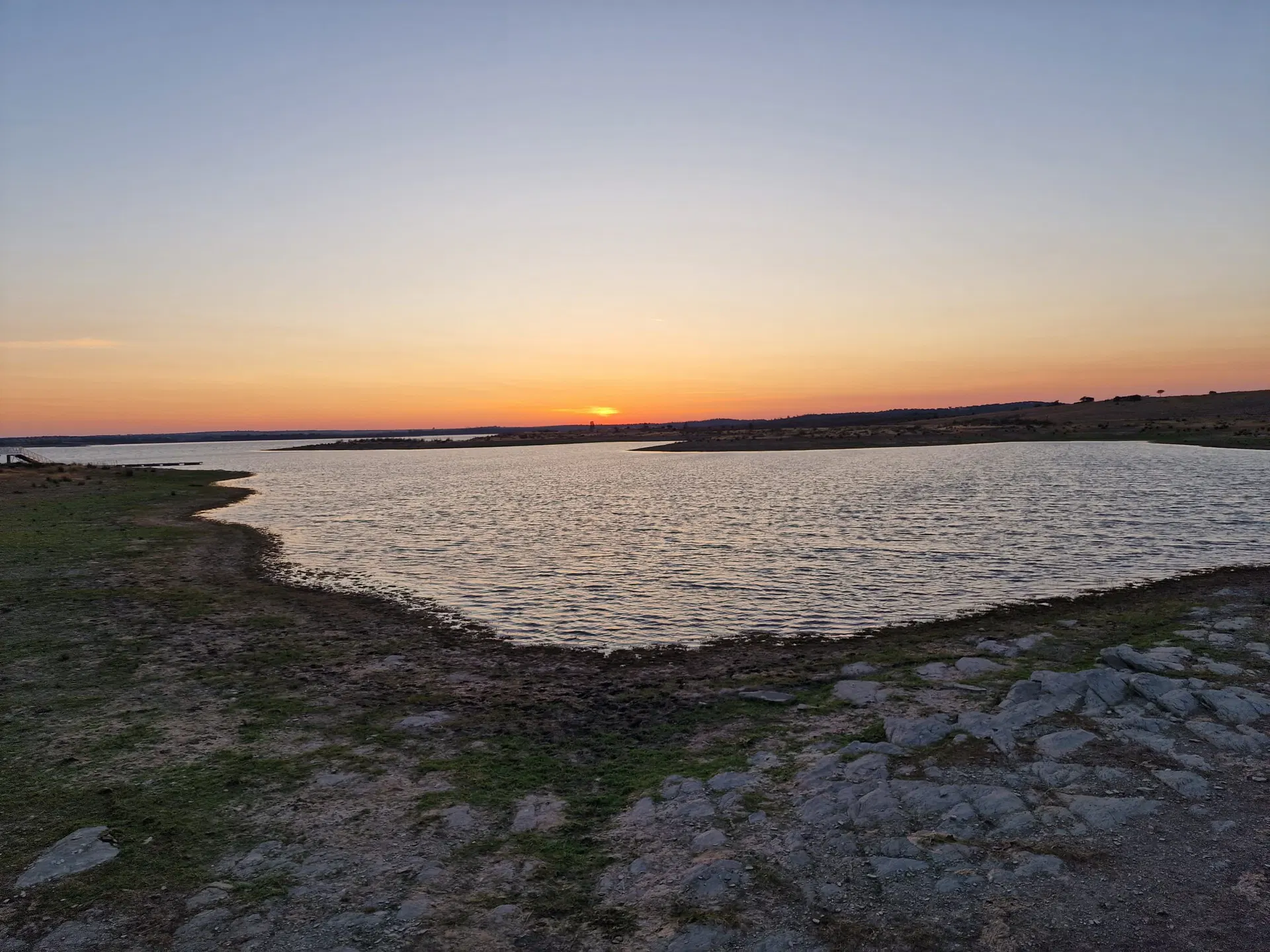
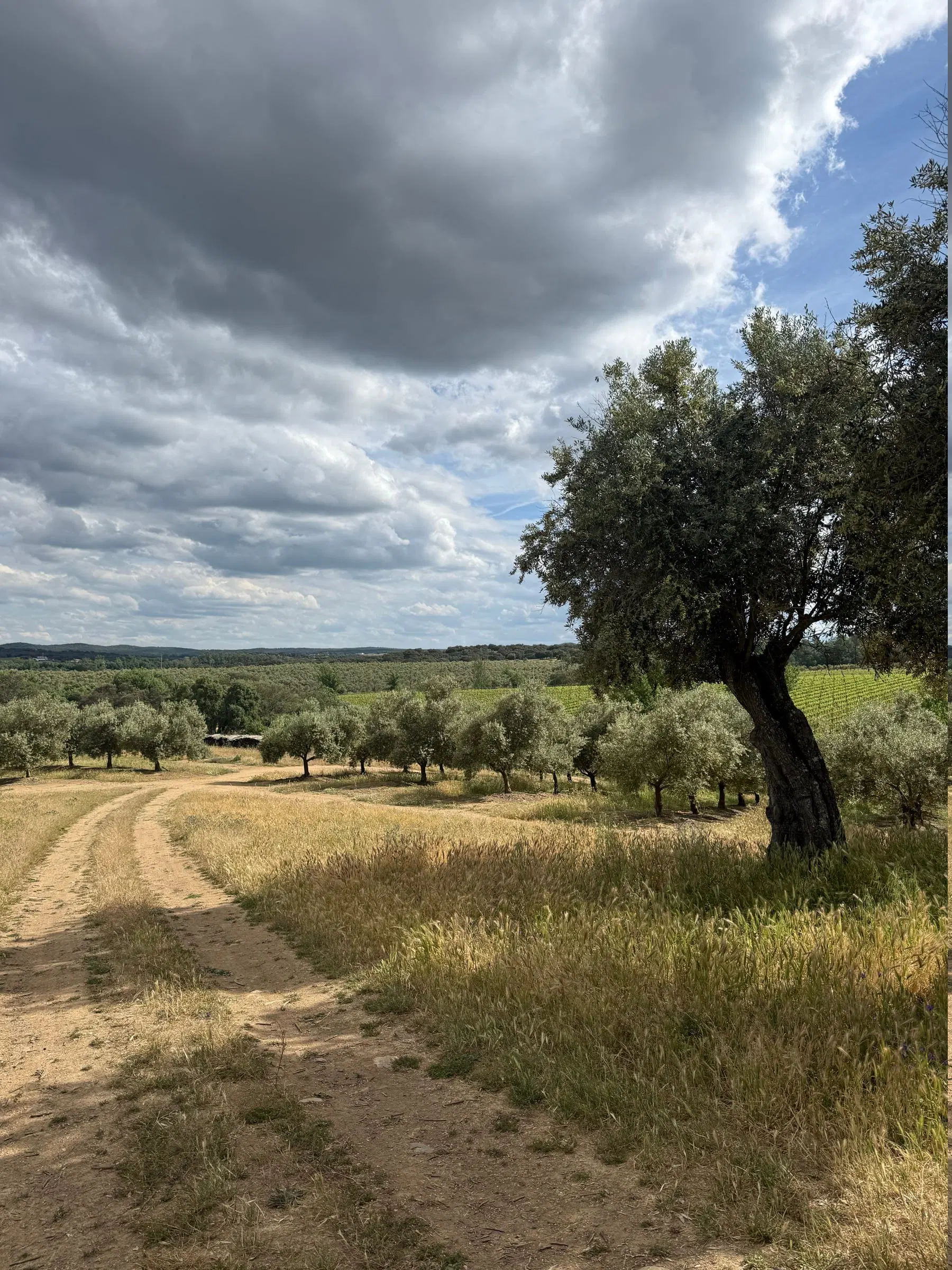
Visitors notice this before they notice anything else: spaced trees, all roughly the same distance apart, over dry pasture. It looks like savanna and isn't. It's called montado, and it's the landscape you cross to get anywhere around here.
What it is
The montado is an agro-silvo-pastoral system: trees, pasture and livestock on the same ground, managed together. The dominant trees are the cork oak and the holm oak.
It isn't natural forest. It's a landscape built over centuries, and it depends on human activity to survive — leave it alone and it closes over and stops being montado.
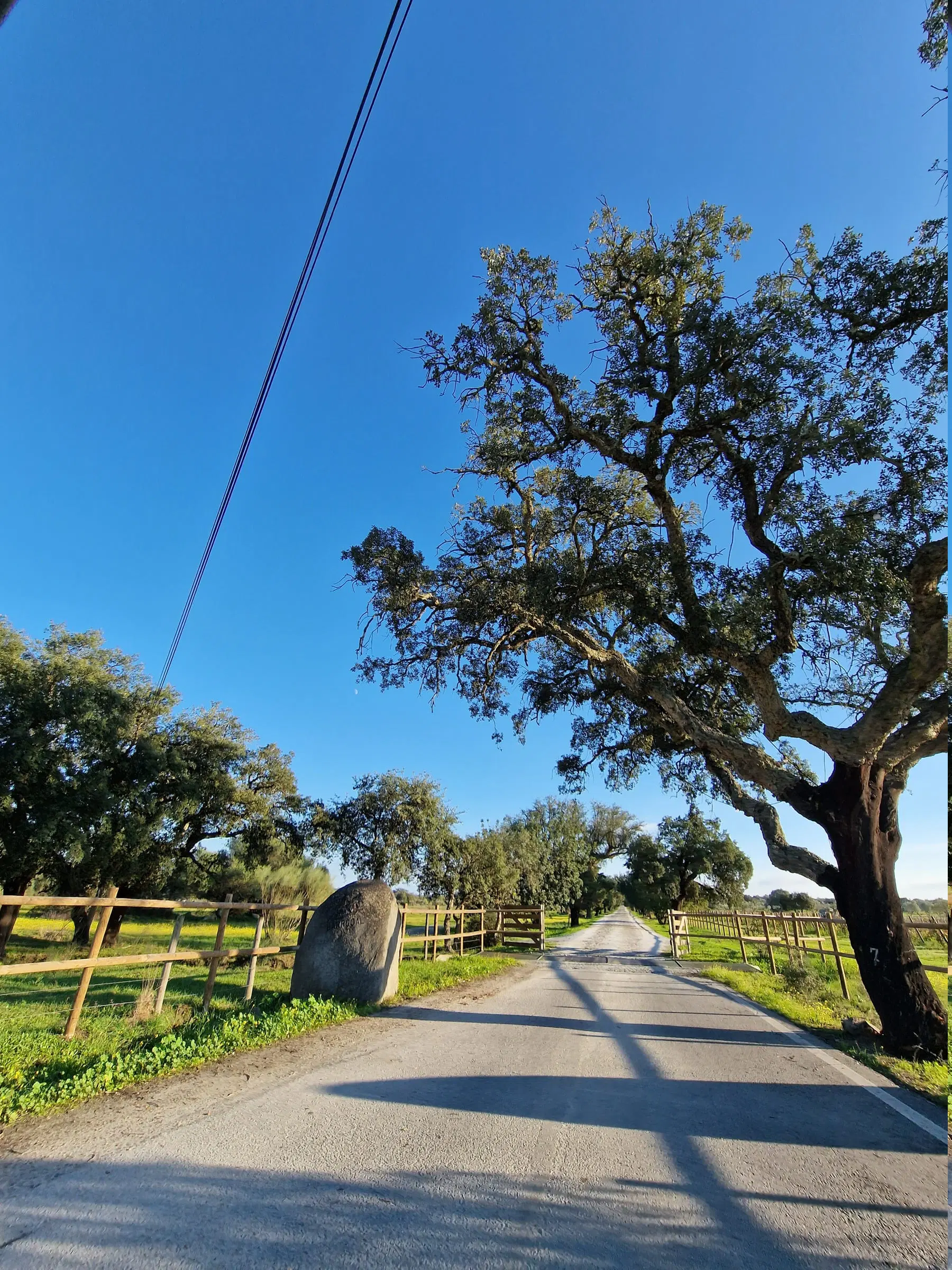
Cork oak and holm oak
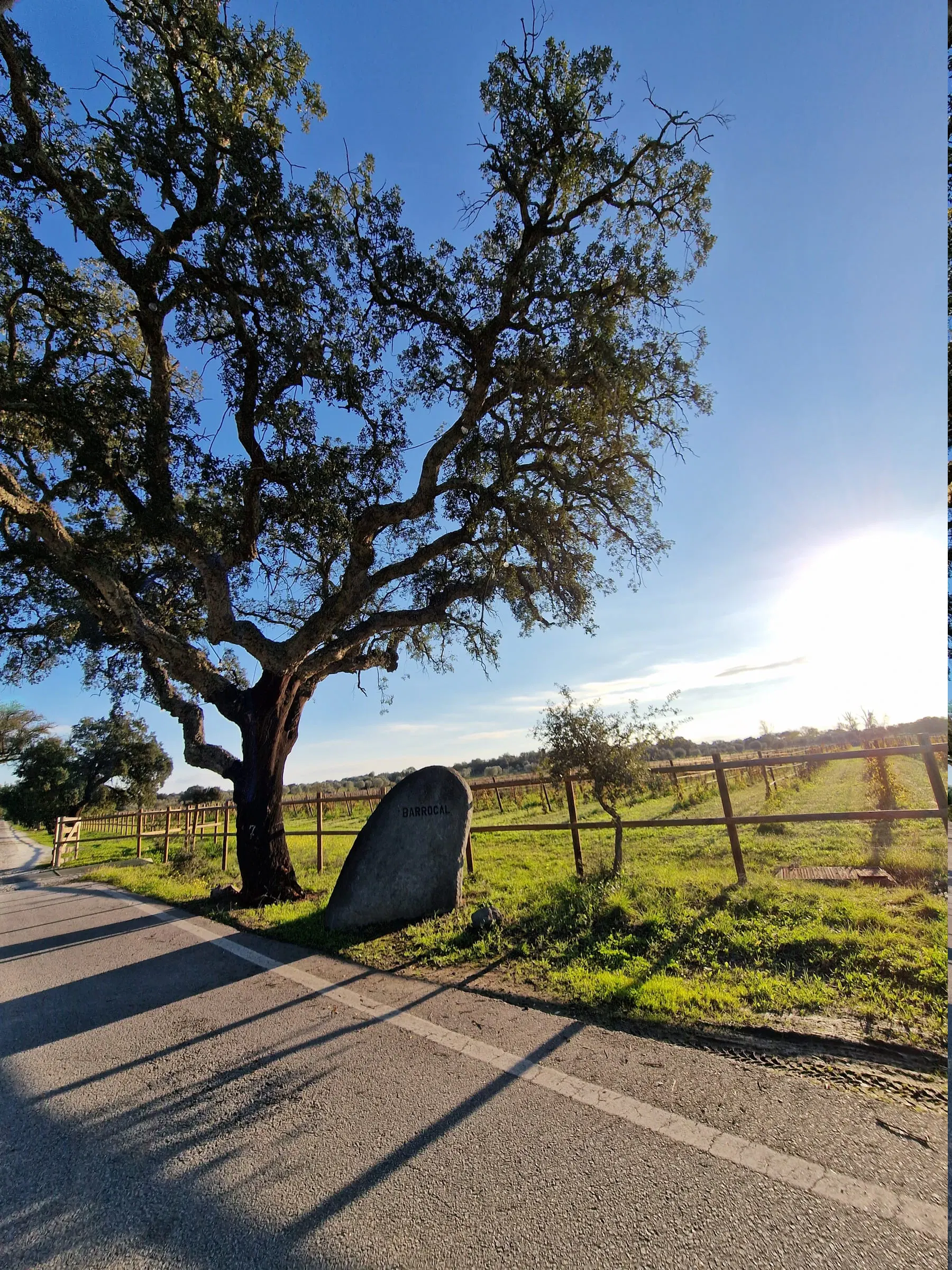
The cork oak gives cork. It's stripped every nine years and the trunk stays reddish for a while afterwards — that's how you spot a recently worked tree. Portugal has the world's largest area of cork oak and is the world's largest producer of cork.
The holm oak isn't stripped. It gives acorns, and acorns feed the black pigs — which is why the ham and the meat in this region taste the way they do. Around Alqueva it's the holm oak that dominates.
The livestock
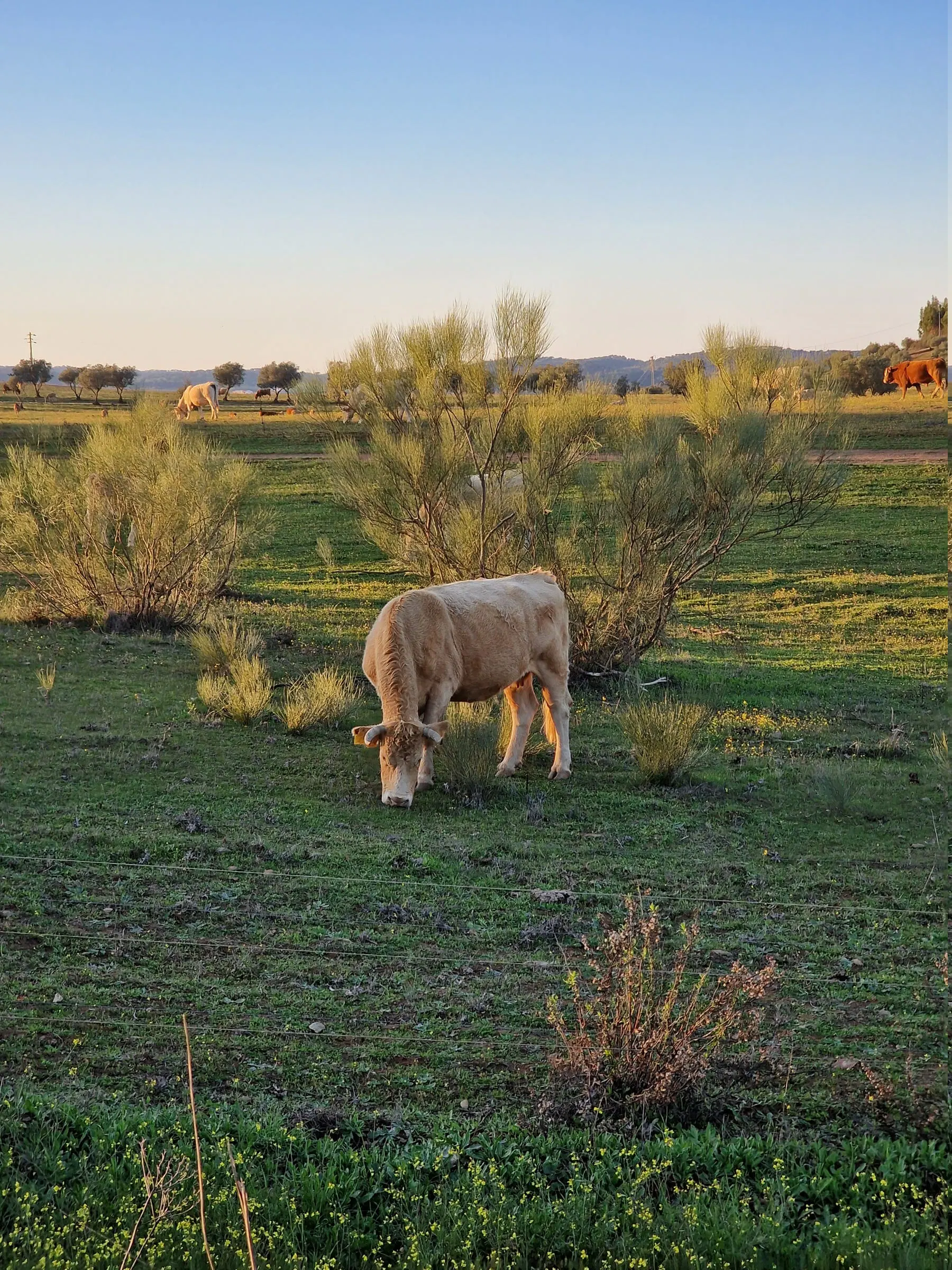
The animals are part of the system, not an accessory. They eat the pasture, manure the soil and stop scrub from closing the gaps between trees. Cattle, sheep or pigs, depending on the estate and the season.
Why it matters on holiday
Three practical reasons.
It explains the food. Black pork, the cheese, the ham and the game all come from here. Eating in the Alentejo makes more sense once you understand what you drove through.
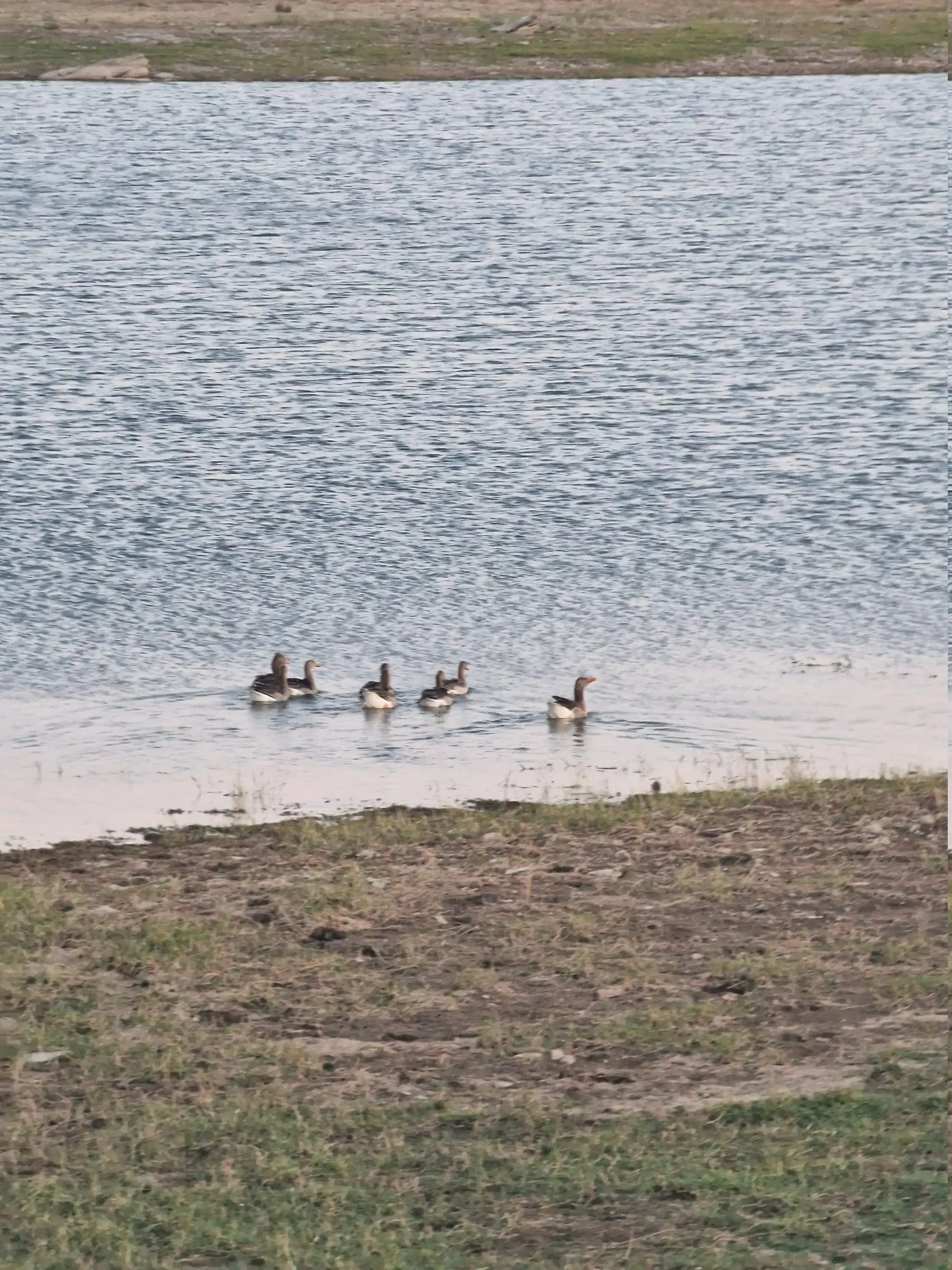
It explains the birds. The montado is a high nature value farming system, which is why there are so many birds around here. Birdwatching guide →
It explains the light. Open crowns and pale ground make that low late-afternoon light everyone photographs and nobody can quite explain.
When it looks best
Spring — green, with flowers on the ground. The month when the landscape looks least like the postcard Alentejo and most like Ireland with holm oaks.
Autumn and winter — after the first rains the pasture returns, and the low light is the best of the year.
Summer — gold and dry. The classic image, and a fine one, but at midday in August it's hard to look at and harder to stand in.
Common questions
What is the montado?
An agro-silvo-pastoral system: spaced trees — cork oak and holm oak — over pasture, with livestock underneath. It's neither forest nor open field but both at once, and it depends on human work to exist.
What's the difference between cork oak and holm oak?
The cork oak gives cork, and its trunk is stripped, turning reddish after harvest. The holm oak isn't stripped and gives acorns, which is what feeds the black pigs. Around Alqueva the holm oak dominates.
Is Portugal the largest cork producer?
Yes. Portugal has the world's largest area of cork oak and is the largest producer of cork. The cork montado exists only in the Mediterranean basin.
Where is it best seen?
On any back road between Mourão, Monsaraz and Reguengos. You don't need to go anywhere in particular: it's the landscape you cross to reach everything else.